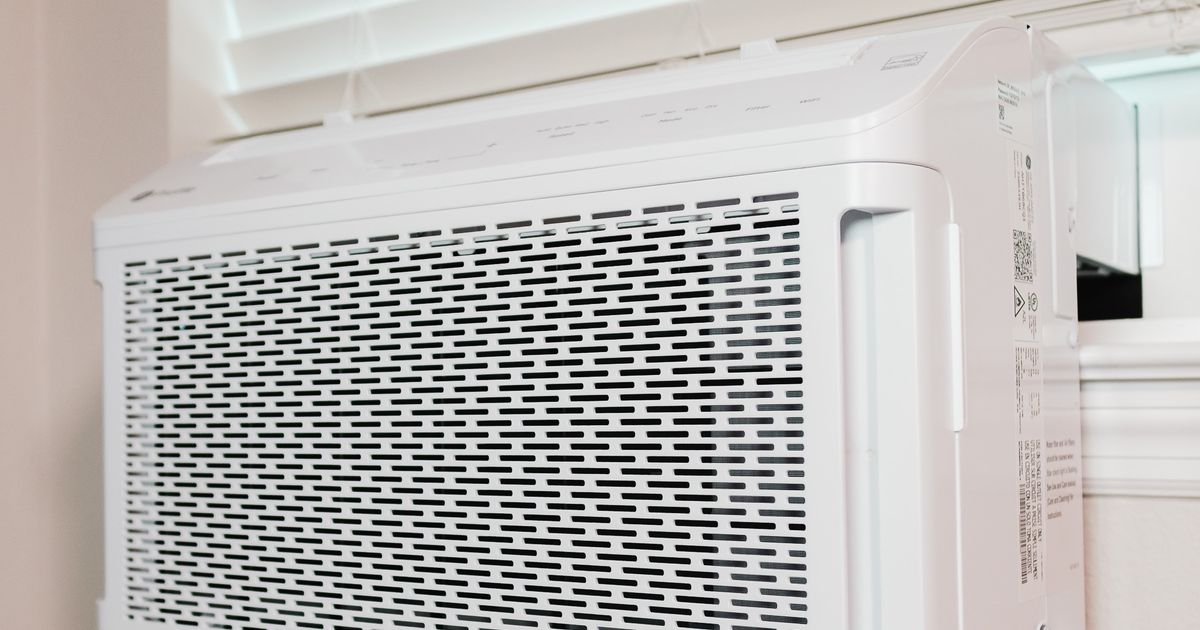
A tenant-installed window AC unit. Photo: Pexels.
If you own a rental in Mississauga, Oakville, Milton, Burlington, Brampton, or Hamilton — or you're renting one — there's a change worth knowing about. As of July 1, 2026, Ontario tenants have a legal right to install and run a window or portable air conditioner when their landlord doesn't already provide cooling. It arrived right in time for a summer heat wave, and it quietly rewrites part of the landlord–tenant relationship.
What the rule actually says
The change comes from a section of the 2023 Helping Homebuyers, Protecting Tenants Act that only came into force this month. In plain terms: if there's no air conditioning supplied, a tenant can add their own — a window unit or a portable one — instead of waiting on the landlord's goodwill. But the right isn't unconditional.
The conditions tenants have to meet
- Written notice, when the landlord pays the power. If the landlord covers the unit's electricity, the tenant has to give written notice before installing or using the AC, and share the unit's energy-efficiency details and how much they expect to use it.
- No damage. The install and operation can't damage the unit or the building.
- It has to meet code. Installation must comply with municipal and building rules. If local regulations don't allow it, the tenant can't go ahead.
- It doesn't apply everywhere. Mobile home parks and land lease communities are excluded.
Landlords: you can recover the running cost — carefully
Here's the part that matters if you own the property and pay the electricity. When a tenant installs an AC unit on or after July 1, 2026, you're allowed to raise the rent to cover the cost of running it. But it's narrow:
- It only applies to units installed on or after July 1, 2026.
- The increase can only reflect the actual cost of running the unit — or a reasonable estimate based on the efficiency and usage details the tenant gives you.
This isn't a lever for a general rent increase. It's a specific, documented recovery of a real electricity cost — and if you ever have to defend it, you'll want the tenant's written notice and your math on file. Keep the paperwork; it's the whole basis for the increase.
What this means for your next move
For tenants: you no longer have to sweat through a summer because a unit came without AC — but do it properly, with notice where it's required and an install that meets code. For landlords and investors: this is a small operating detail, not a crisis. If you're weighing a rental purchase in the West GTA, it's one more line item to understand, not a reason to hesitate. And if you're buying or selling a tenanted property, it's worth knowing where each unit stands.
Questions about how a tenanted property pencils out, or what a rule like this does to your numbers before you buy or sell? That's exactly the kind of thing worth talking through before you commit — with the real numbers, not guesswork.
This article is general information, not legal, financial, or tax advice. Rules under the Residential Tenancies Act can change and every situation is different — confirm specifics with the Landlord and Tenant Board or a qualified professional. Nouman Khalil, Broker, RE/MAX Realty Specialists Inc.